Do you think that jamming a radar simply means blasting it with high-power electromagnetic noise to bury the target echo? That’s actually a brute‑force approach. A smarter way is to borrow the signal processing that radar engineers have spent decades perfecting, and make the radar hallucinate.
To see far, a radar relies on massive signal amplification — what we call gain. This gain comes in four stages.
The Four Stages of Radar Gain
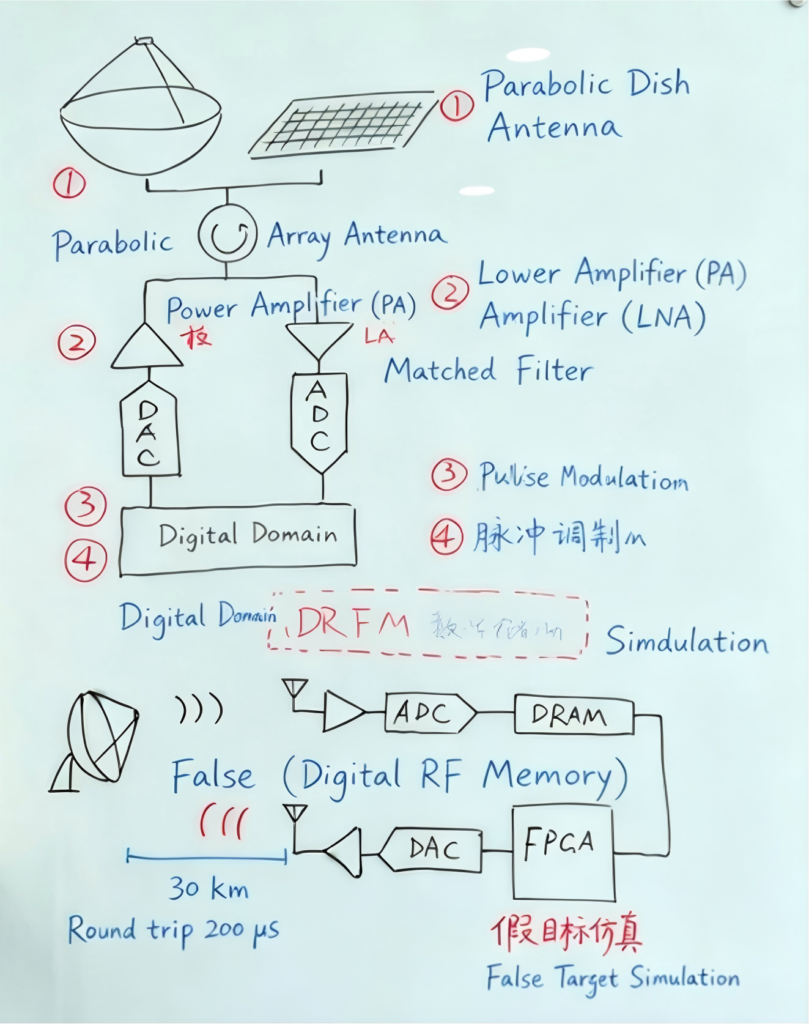
The first stage is antenna gain. A phased array or a large dish antenna concentrates power into a narrow beam for both transmit and receive.
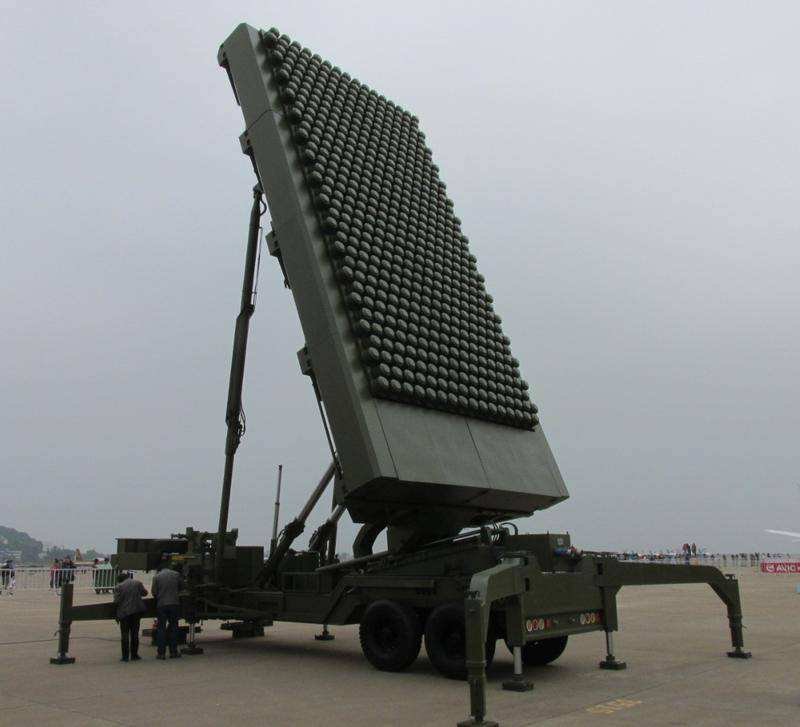
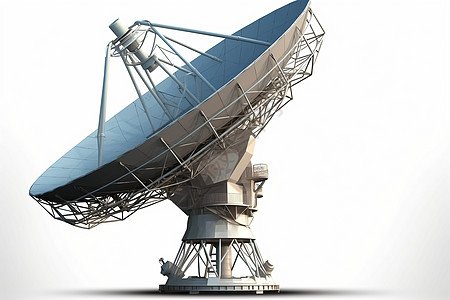
The second stage is the power amplifier (PA) and low‑noise amplifier (LNA), which amplify the transmitted and received signals respectively.
These two are physical gain — they boost both the target signal and the interference equally, so it’s a tie. The real game‑changers are the next two.
Algorithmic Gain: Where the Battle Is Won
The third stage is matched filtering, also known as pulse compression. A radar doesn’t just shout “Hey!” — it transmits a specially coded waveform. When the echo returns, the radar correlates it with that code: what matches gets amplified, what doesn’t gets suppressed. For a 10‑microsecond pulse with 100 MHz bandwidth, this gives about 30 dB of gain — a 1000‑fold amplification.
The fourth stage is pulse integration. A radar doesn’t process just one pulse; it sends dozens to hundreds of them and integrates them all. Integrating 100 pulses can add another 20 dB of gain.
Combined, these two algorithmic gain stages deliver 50 dB — a 100,000‑fold amplification.
Why Noise Jamming Is a Losing Battle
But here’s the twist: for enemy noise jamming, the algorithms don’t amplify — they actually penalize. Noise interference doesn’t match the coded waveform, so the more pulses you integrate, the worse the jammer fares.
This is why brute‑force noise jamming requires enormous power to overcome this 100,000‑fold algorithmic deficit. Jammers often run at hundreds of kilowatts, and their effectiveness drops sharply with distance. Worse, radiating that much power makes the jammer itself a beacon.
DRFM Deception Jamming: Borrowing the Radar’s Own Gain
This is where DRFM (Digital Radio Frequency Memory) deception jamming enters the scene. Its core idea is simple: since the radar’s algorithmic gain is so powerful, why not borrow it to deceive the radar?
The principle is straightforward. First, capture the radar’s transmitted waveform — digitize and store it in near real‑time. Then, according to your deception script (say, creating a phantom target), apply a subtle modification to the waveform and re‑transmit it at precisely the right moment. Because the fake echo perfectly matches the radar’s own code, the matched filter and pulse integrator will also amplify it 100,000 times. A weak deception signal can thus be effective, and at much longer ranges.
The Two Engineering Nightmares of DRFM
But here lie two headaches for engineers.
1. Processing speed. Electromagnetic waves travel 300,000 km per second. If the deception device is 30 km from the radar, the round‑trip is just 200 microseconds. To insert a false target at a convincing range, the entire capture‑modify‑retransmit cycle must happen within microseconds — not fast, blazing fast.
2. Deception fidelity. The jammer must not only replicate the waveform, but also precisely control the false target’s range, velocity, and characteristics, making its motion obey physical laws. If the phase of the phantom echo is even slightly off, the radar’s Doppler filter will flag it. Then the ghost vanishes.
Summary: Power vs. Algorithms in Electronic Warfare
So noise jamming is a power contest, while DRFM deception jamming is an algorithm duel — who understands the opponent’s signal processing logic better? It’s the art of turning strength against strength, a high‑level game in electronic warfare.
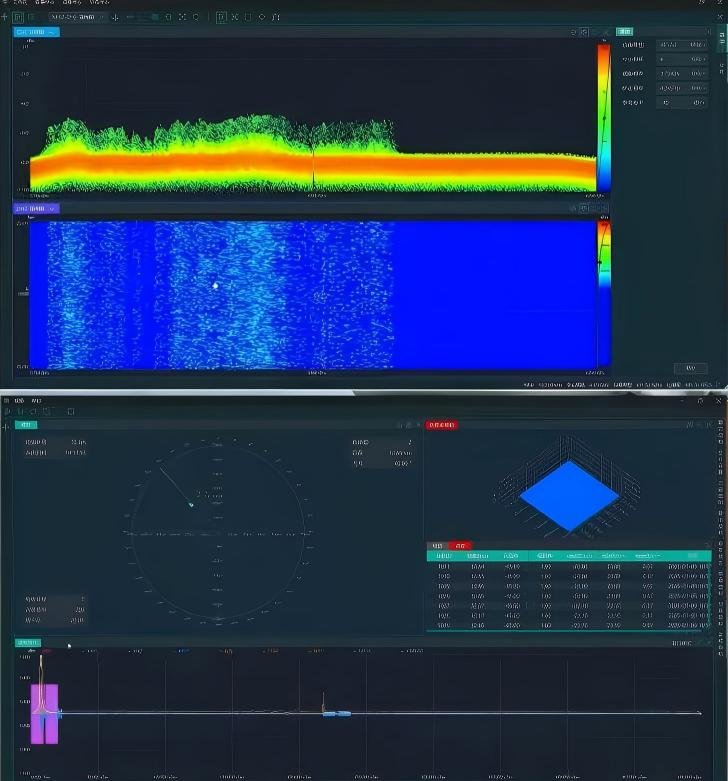
Of course, once the radar realizes it’s being tricked, how does it fight back? We’ll cover that next time.