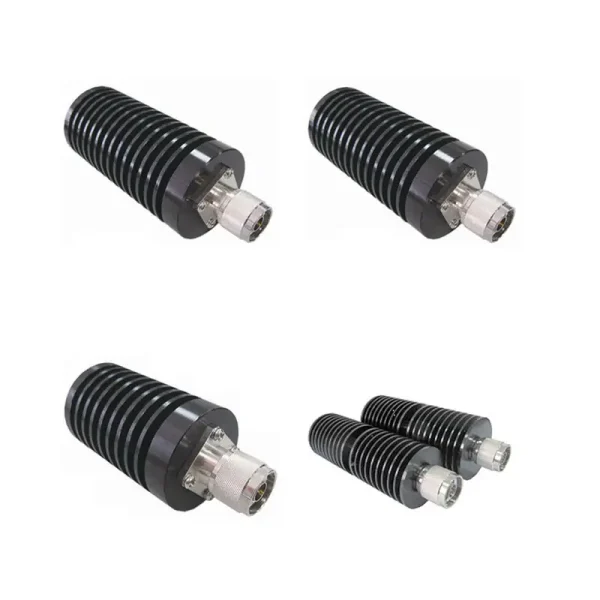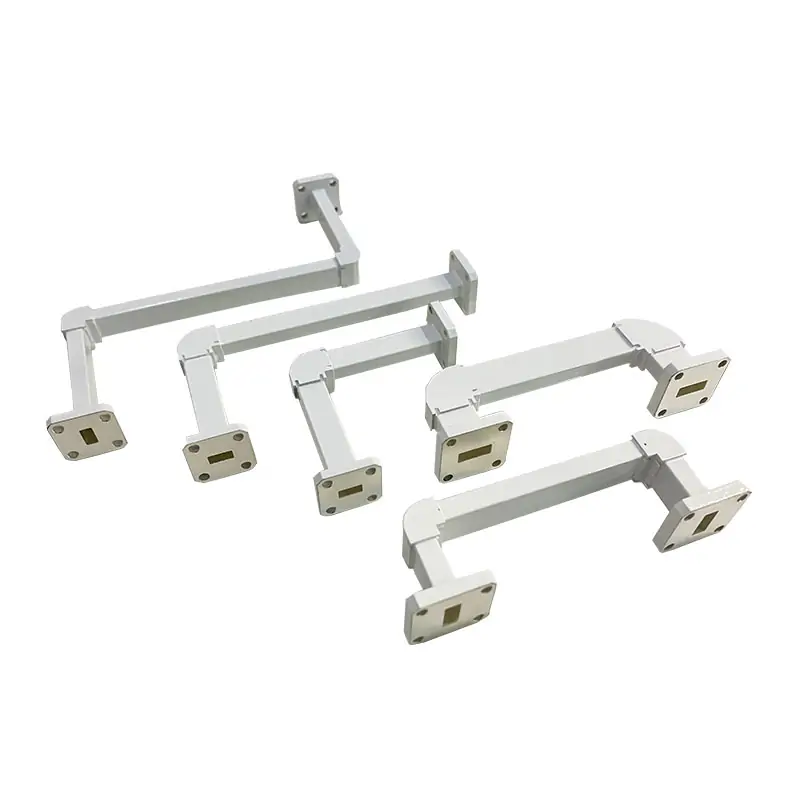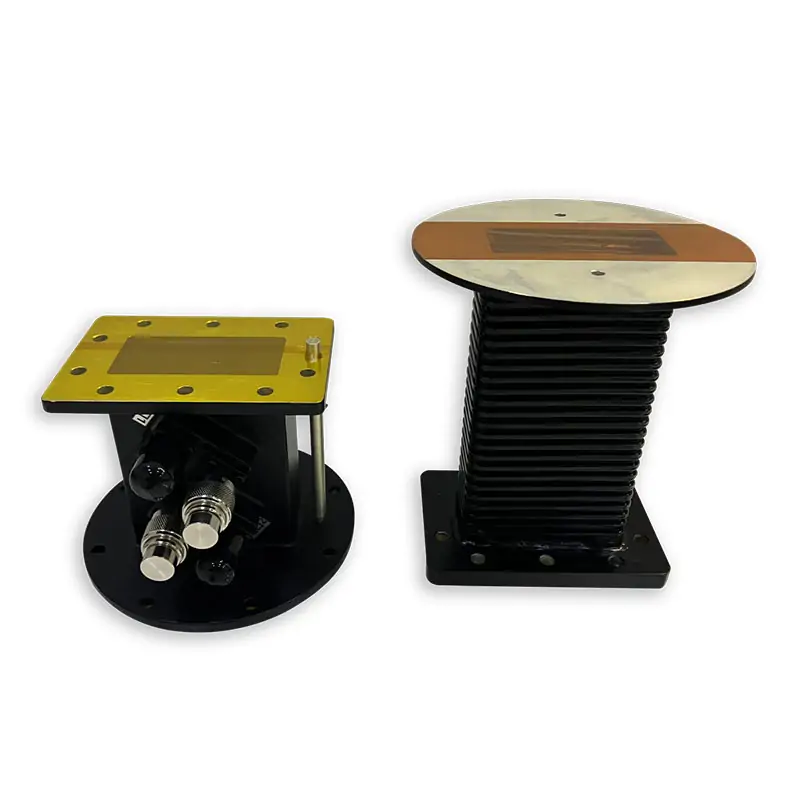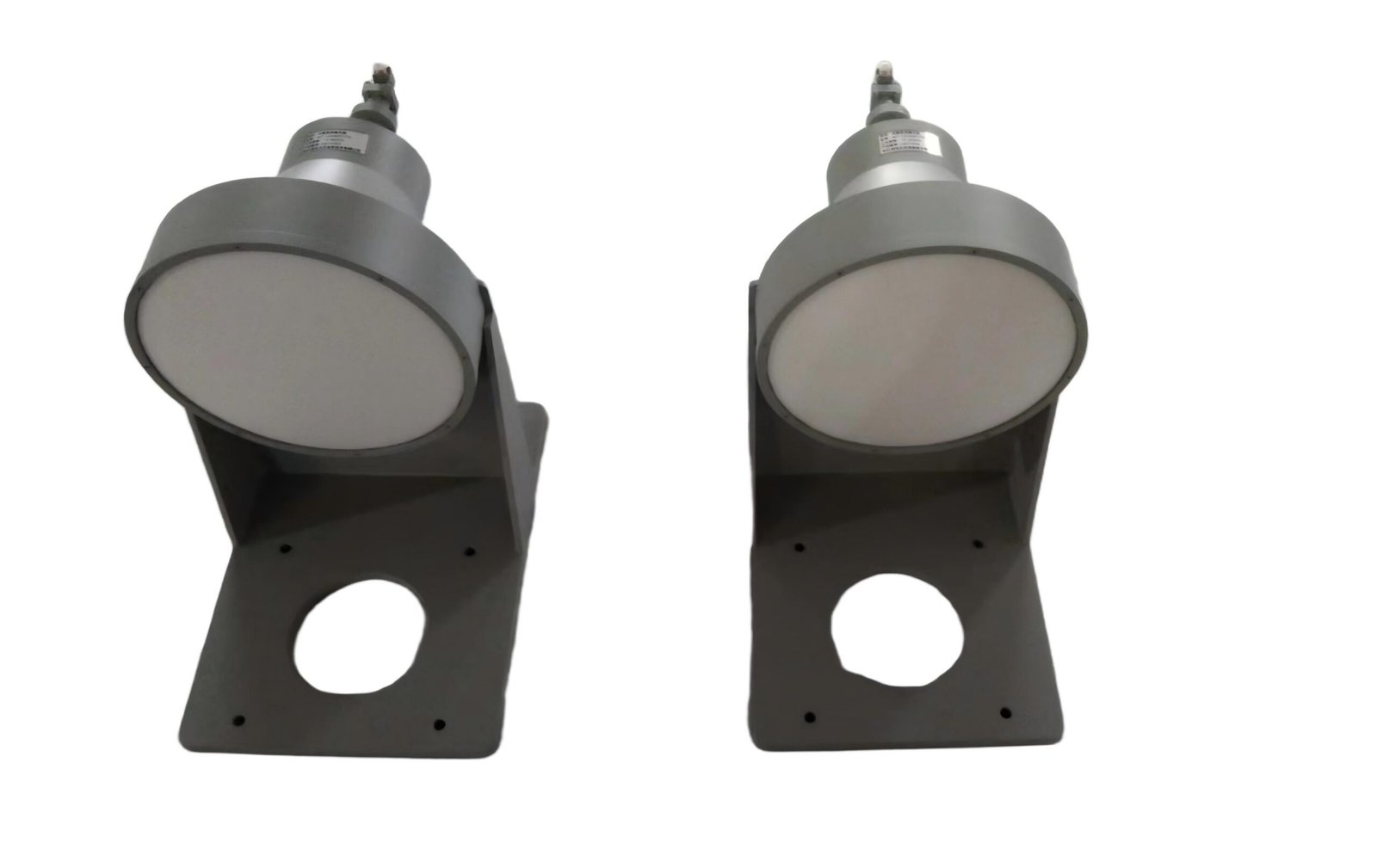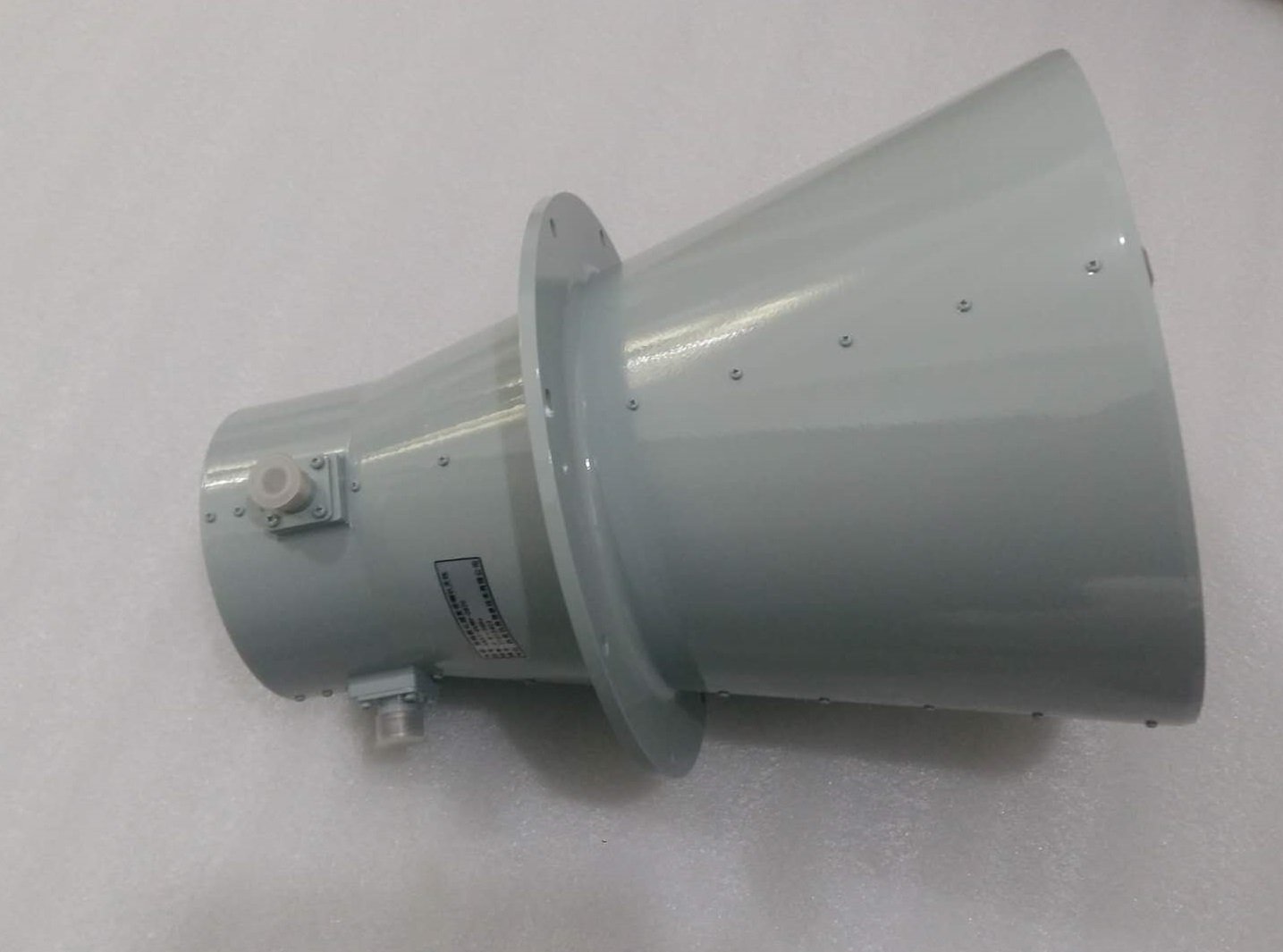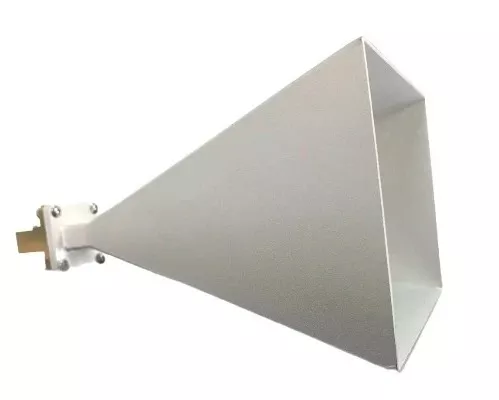
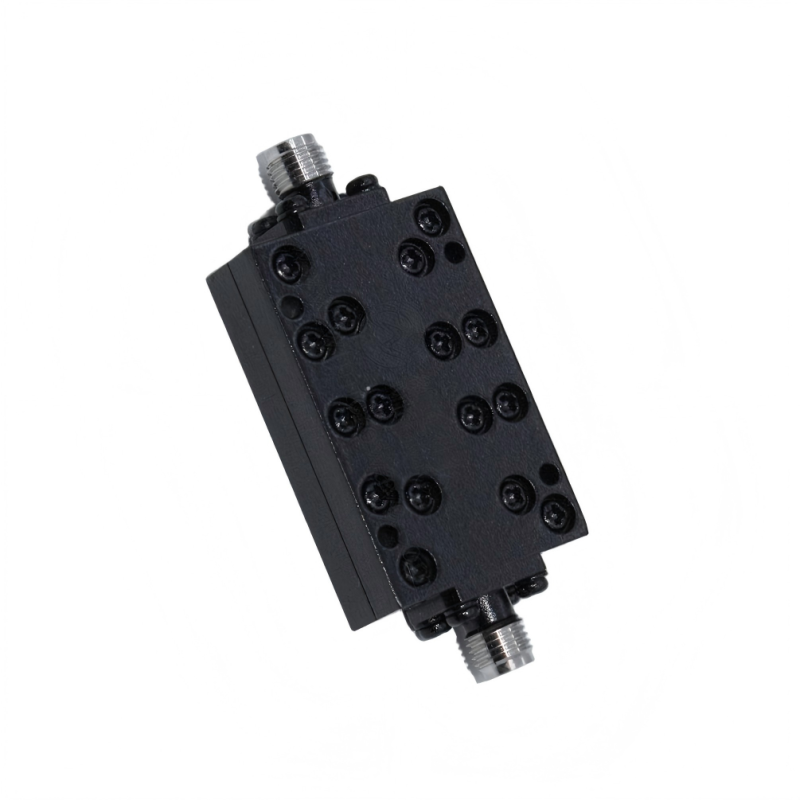
The waveguide low-pass filter is a critical component for suppressing unwanted high-frequency signals—such as transmitter harmonics and out-of-band spurious outputs—while allowing the fundamental operating band to pass with minimal attenuation. Constructed from a precisely machined waveguide structure featuring a series of capacitive elements (corrugations, waffle-iron grids, or stepped ridges), it creates a low-pass transmission characteristic that handles high power with excellent thermal stability.
Working Principle
Inside a rectangular waveguide, a periodic array of capacitive structures (e.g., transverse ridges or a “waffle-iron” pattern) is introduced. These structures create a low-impedance path for high-frequency signals, effectively shorting them out as they propagate, while lower frequencies are largely unaffected. The filter behaves as a transmission line with a frequency-dependent distributed shunt capacitance, producing a very sharp roll-off above the cut-off. The design can be optimized for Chebyshev or maximally flat responses, and the physical dimensions define the cut-off frequency and stopband attenuation. The all-metal, monolithic construction ensures excellent repeatability and power handling.
Key Features
-
Effective Harmonic Suppression: Attenuates 2nd, 3rd, and higher harmonics by 40–60 dB or more.
-
Broad Passband: Low insertion loss from near DC up to the specified cut-off frequency (relative to waveguide band).
-
High Power Handling: Capable of handling transmitter power levels exceeding several kilowatts CW; ideal for broadcast and radar transmitters.
-
No Tuning Required: Precision machining guarantees repeatable filter response without field adjustments.
-
Thermally Stable: Minimal frequency drift due to the all-metal structure; suited for outdoor and extreme environments.
-
Flange Compatibility: Mates directly with standard waveguide components for seamless system expansion.