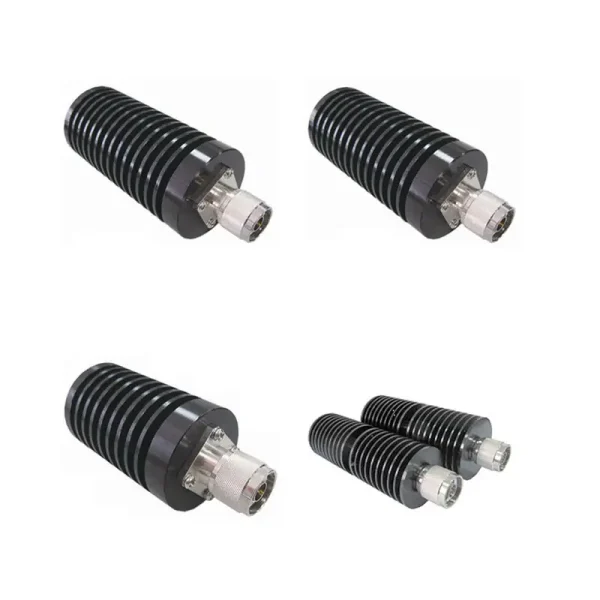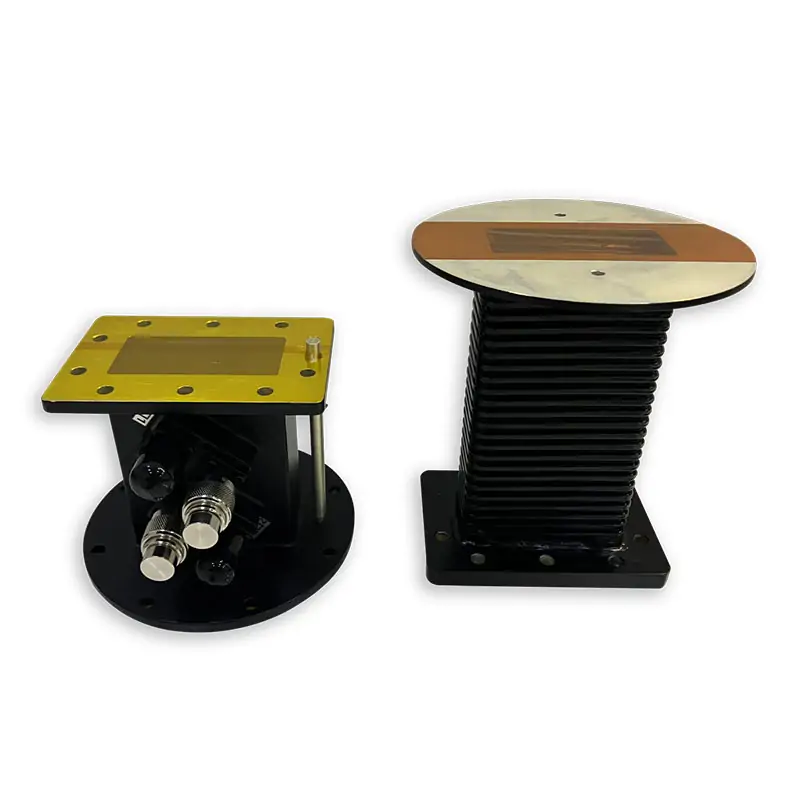
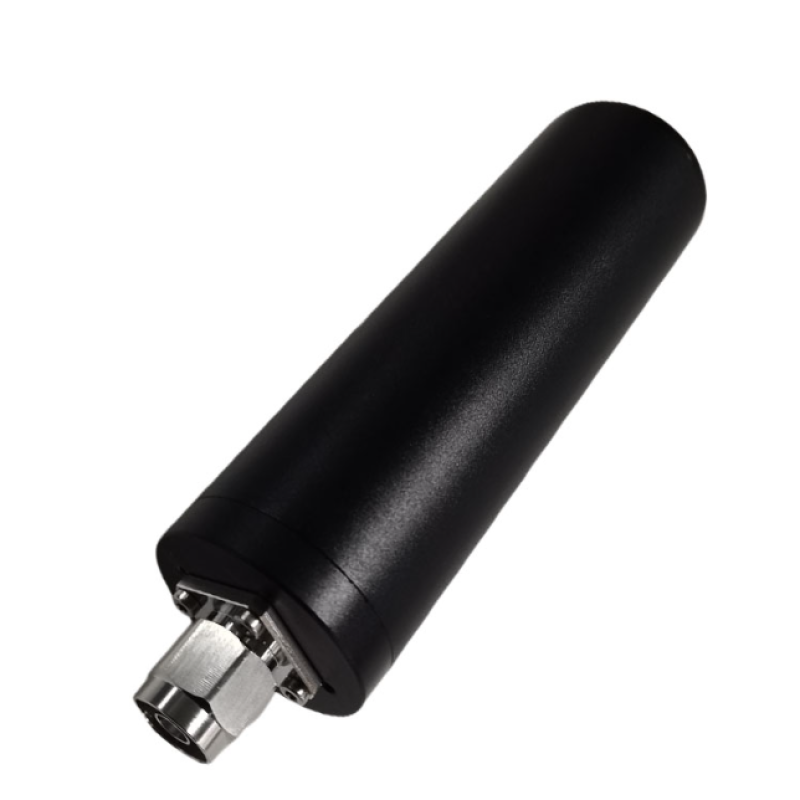
Low PIM loads are designed for passive intermodulation testing to verify residual PIM levels and absorb output power from multi-port DUTs like filters and isolators. Built with a wire-wound coaxial structure rather than simple resistive chips, they achieve ultra-low intermodulation performance. Multi-band multi-port versions integrate a combiner and multiple RF inputs operating in different bands, connecting several PIM testers simultaneously and solving the inefficiency of single-port loads. Configurations are available with 3, 5, 6 or more ports in various band combinations.
Low PIM loads are mainly used in RF testing and serve the following purposes:
Verifying the residual PIM level of a passive intermodulation test system — a key performance indicator for such systems.
Absorbing the output power of devices under test (DUTs): For DUTs with two or more ports, such as filters and isolators, the load can absorb their output power.
Compared with ordinary loads — which typically adopt a simple structure of a short transmission line plus resistive chips and cannot achieve very low passive intermodulation — low PIM loads are generally manufactured using a wire-wound method. The input port is an RF connector, whose output is directly connected to a section of coaxial wound cable.
For example, in multi-band multi-port passive intermodulation test systems, traditional single-port low PIM loads suffer from low utilization efficiency and inconvenience in redeployment. A multi-band multi-port low PIM load includes at least two RF input ports, a combiner, and a wire-wound coaxial load. Each RF input port operates in a different frequency band; the combiner merges the signals from multiple inputs into one output, which is then connected to a broadband low PIM load. This configuration can connect to multiple PIM test instruments simultaneously, effectively solving the inefficiency problems of single-port low PIM load testing.
In practical applications, the number of frequency bands or ports can be diversified — for example, designed as 3-port, 5-port, 6-port, or even higher port-count versions — and the port count may also correspond to different frequency band combinations.
Specifications