5.双脊波导负载

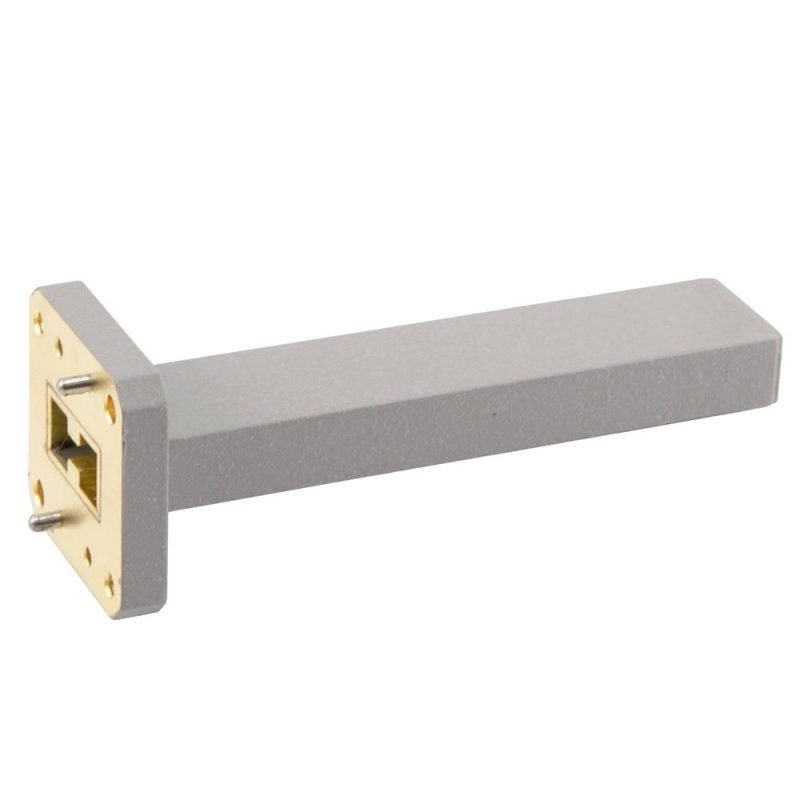
Double-Ridged Waveguide Termination

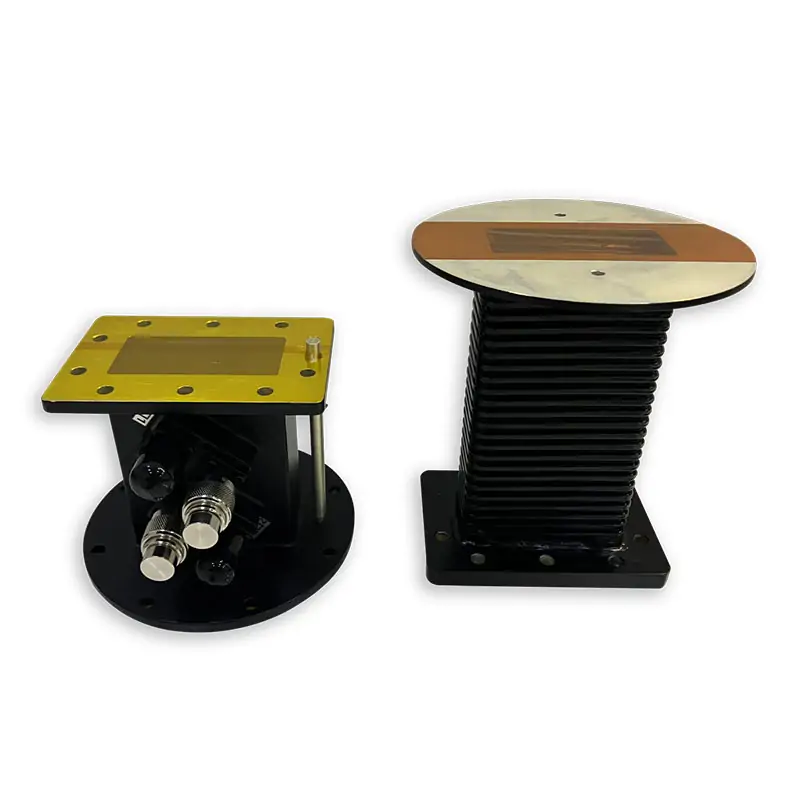
Available in aluminum, copper, or brass bodies with high-power ceramic or resistive dielectric absorptive materials. Customizable flange types (cover, choke, UG, FP series) and average power handling levels from milliwatts up to 7500 watts. Ideal for broadband radar systems, satellite communications, EMC/EMI testing, 5G mmWave infrastructure, and laboratory calibration where low VSWR across 2–40 GHz is required.
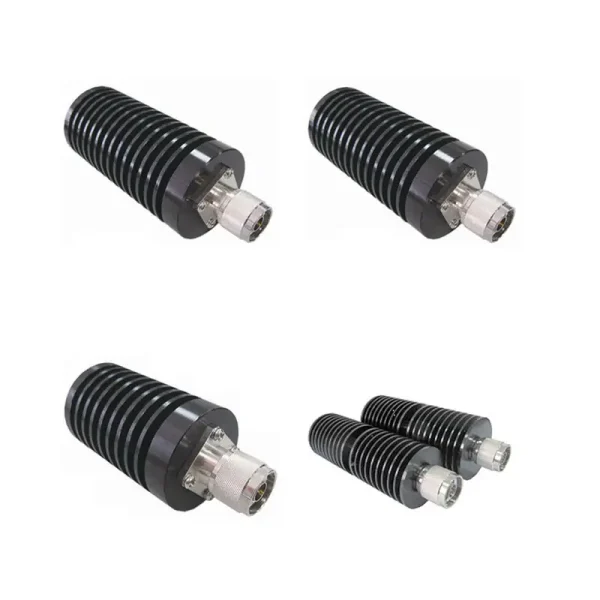
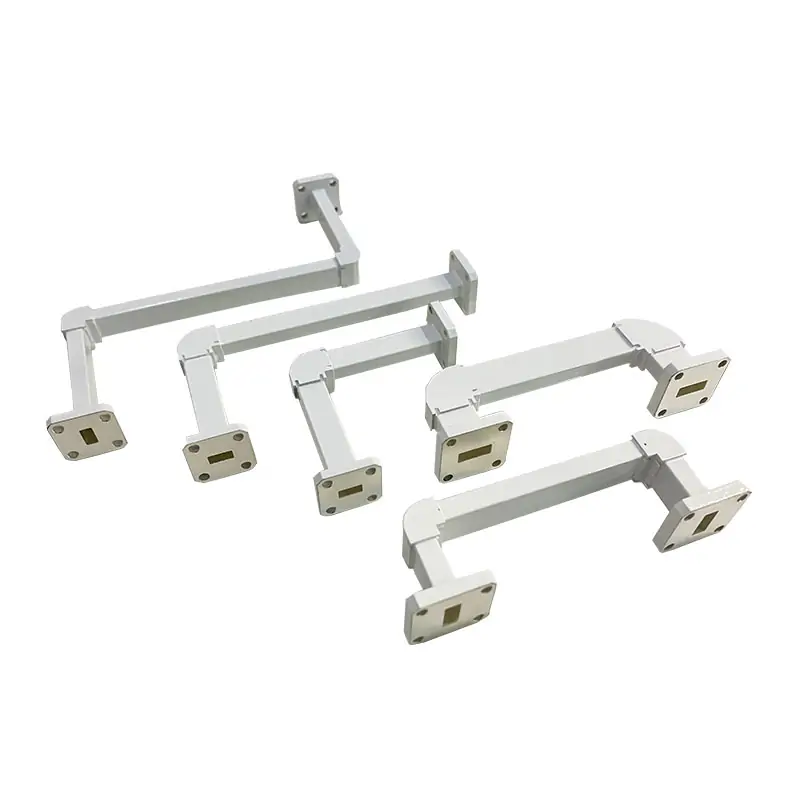
Double-Ridge Waveguide Matching Load

Double-ridge waveguide matching loads are high-power, wideband, low-VSWR termination absorbers designed specifically for double-ridge waveguide broadband systems. Their core function is to achieve nearly complete energy absorption and low reflection over an extremely wide frequency band (typically 2–40 GHz, up to 110 GHz for some models), solving the problems of narrow bandwidth and incompatibility with double-ridge structures encountered in conventional rectangular waveguide loads.

Technical Implementation and Structure

  • Technical Principle: A matching load is essentially a single-port microwave component connected at the end of a transmission line, designed to achieve impedance matching so as to absorb almost all incident wave power with negligible reflection. In double-ridge waveguide matching loads, this impedance matching is realized through specific structural designs (such as tapered absorbing slabs) and appropriate material selection.
  • Structural Features: Double-ridge waveguide matching loads usually include lossy tapered transmission lines of one or more wavelengths, made of lossy materials (such as tapered wedges or plates) embedded in the waveguide. When microwaves enter the matching load, they are gradually absorbed via a tapered transition, thereby minimizing reflections.


Double-Ridged Waveguide Termination Specifications

Home
Products
News
Contact Us
Search