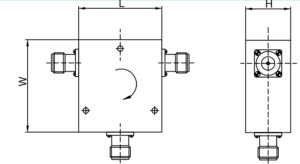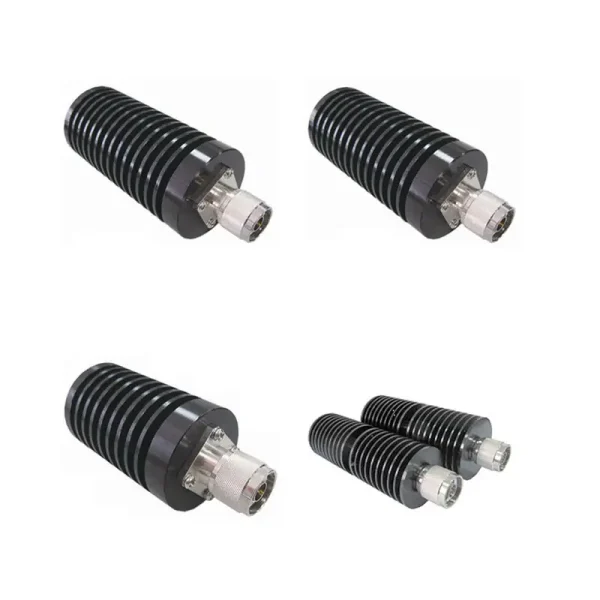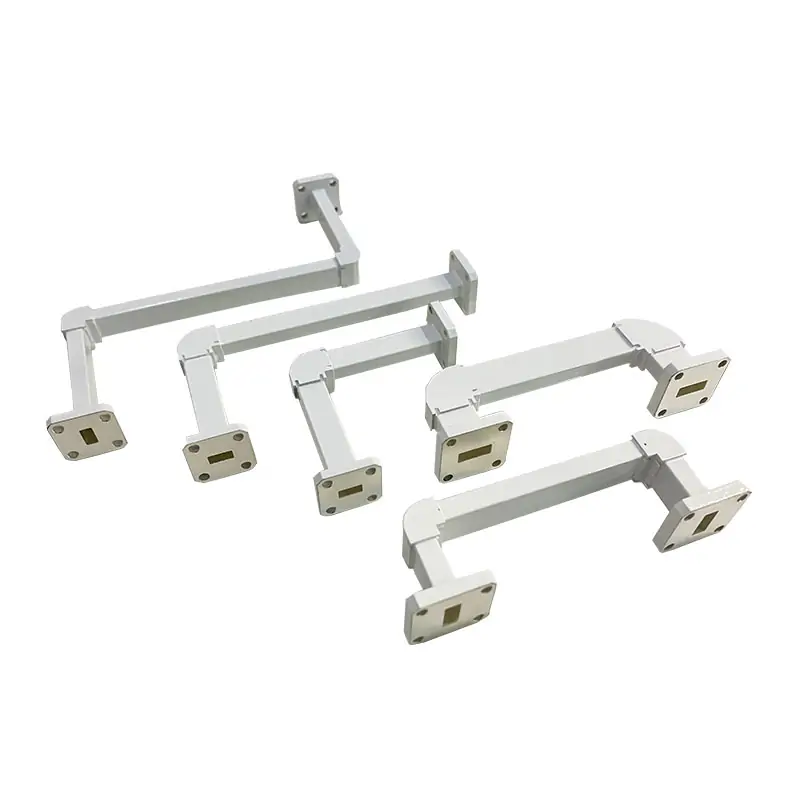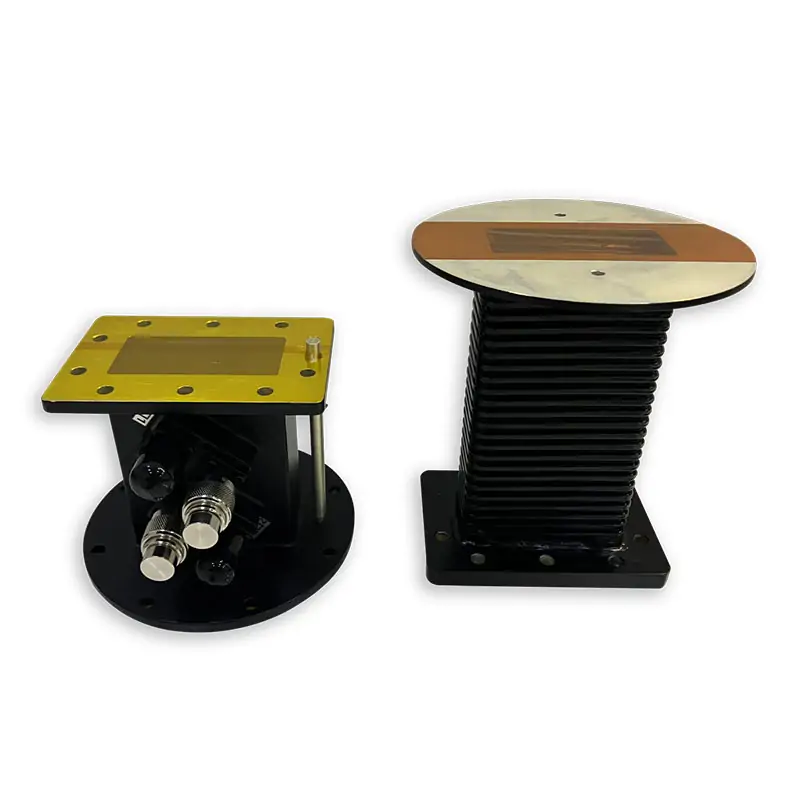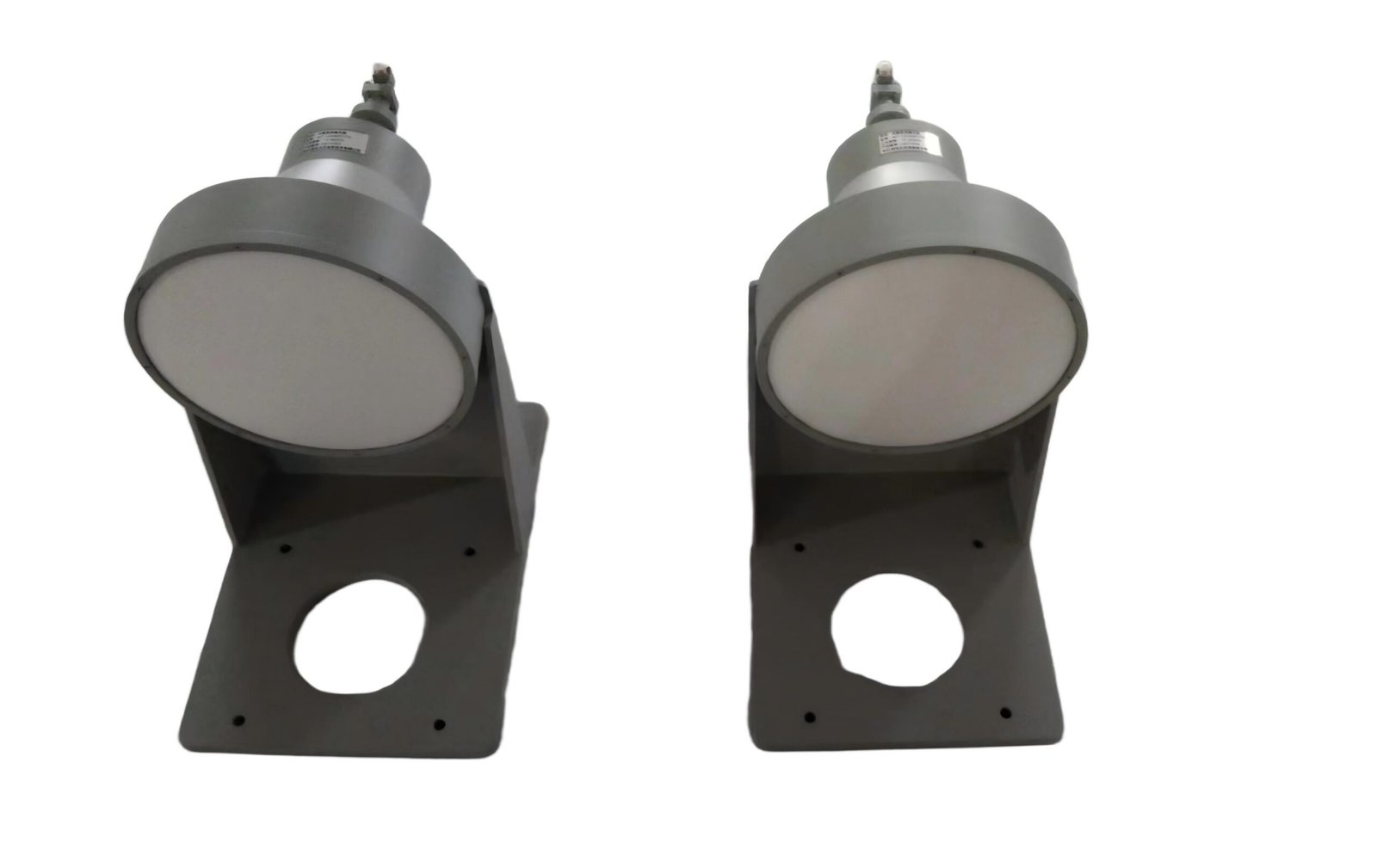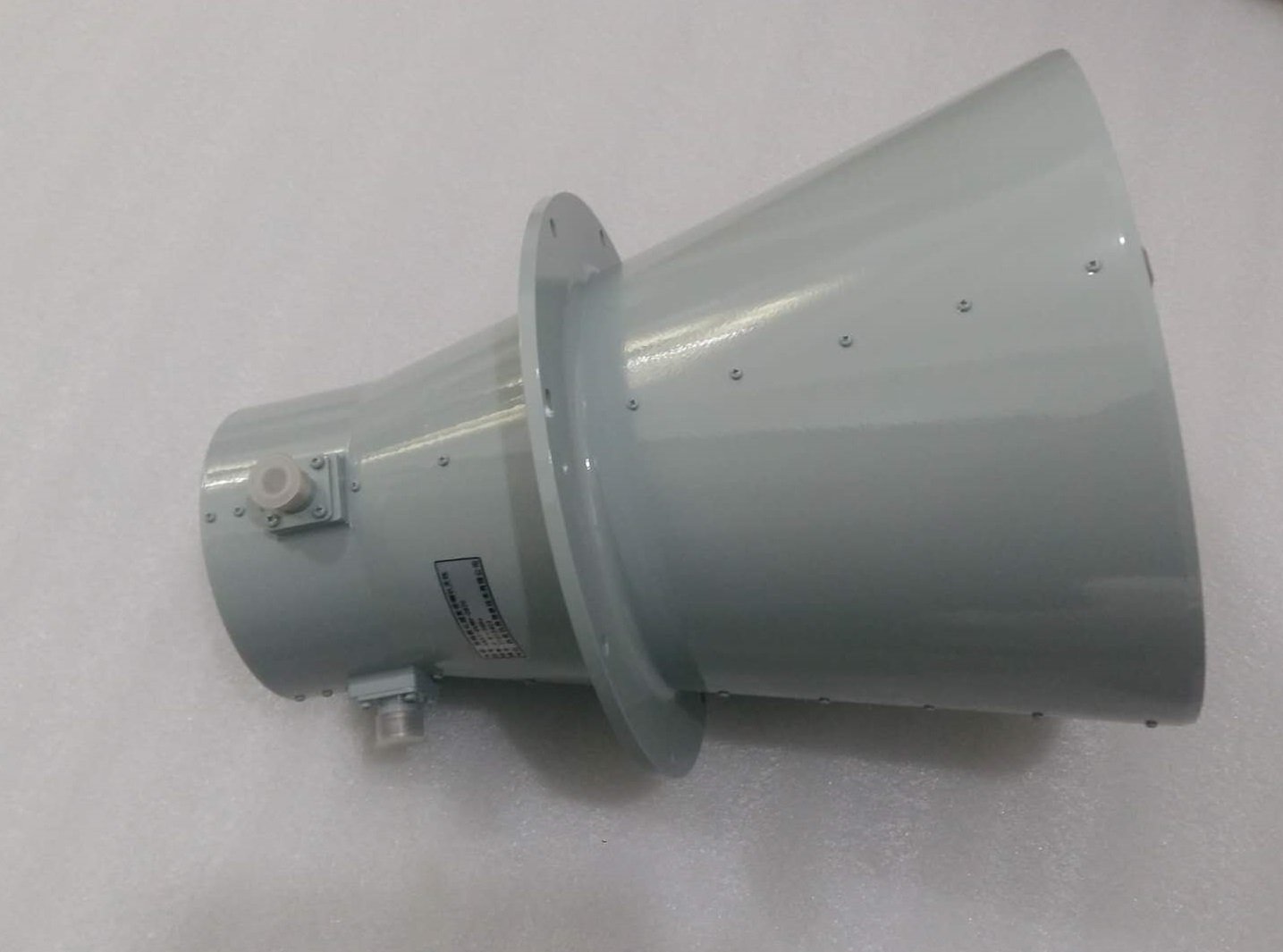
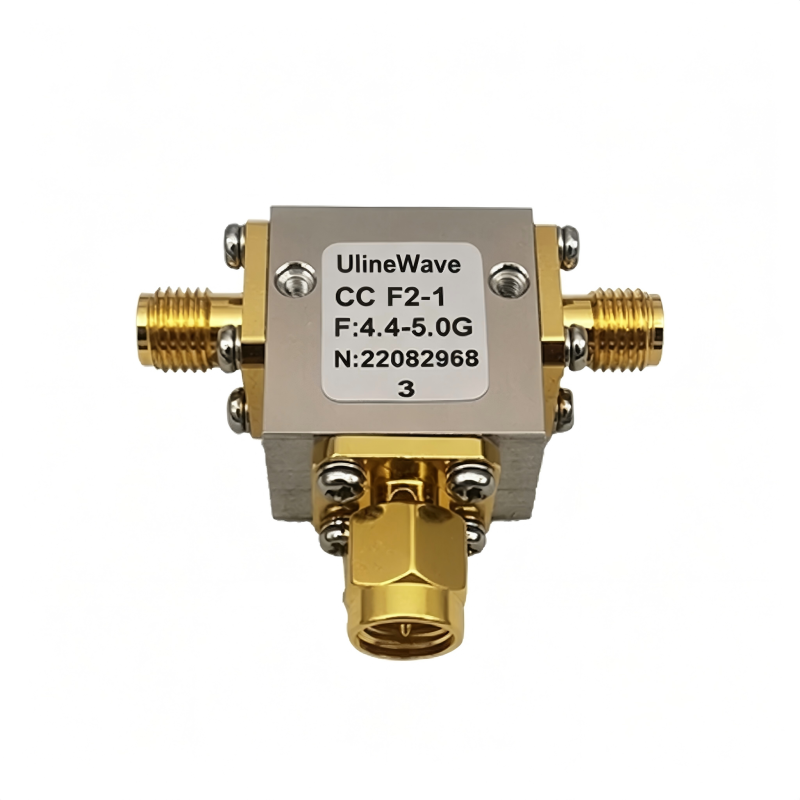
A passive non-reciprocal core component in RF and microwave systems that controls signal transmission in a unidirectional circulating path. Based on the ferrite gyromagnetic effect, it realizes directional transmission in the order “Port 1→2, 2→3, 3→1”, while reverse signals are isolated and absorbed. Its primary functions are signal routing, transmit/receive isolation, and source protection, making it a key networking unit in radar, satellite communications, and RF test systems.
Working Principle and Core Design
The coaxial circulator features a magnetized ferrite junction at its core, combined with a precision coaxial cavity, a permanent magnet bias structure, and a 50Ω impedance matching network. Leveraging the gyromagnetic non-reciprocal behavior of ferrite material under a magnetic field, it enables low-loss forward transmission and high-isolation suppression in the reverse direction. The standard three-port design follows a fixed circulation direction:
-
Port 1 input → Port 2 output (low loss)
-
Port 2 input → Port 3 output (low loss)
-
Port 3 input → Port 1 output (low loss)
Reverse signals (e.g., Port 2→1) are suppressed with high isolation, preventing reflected interference and device damage.