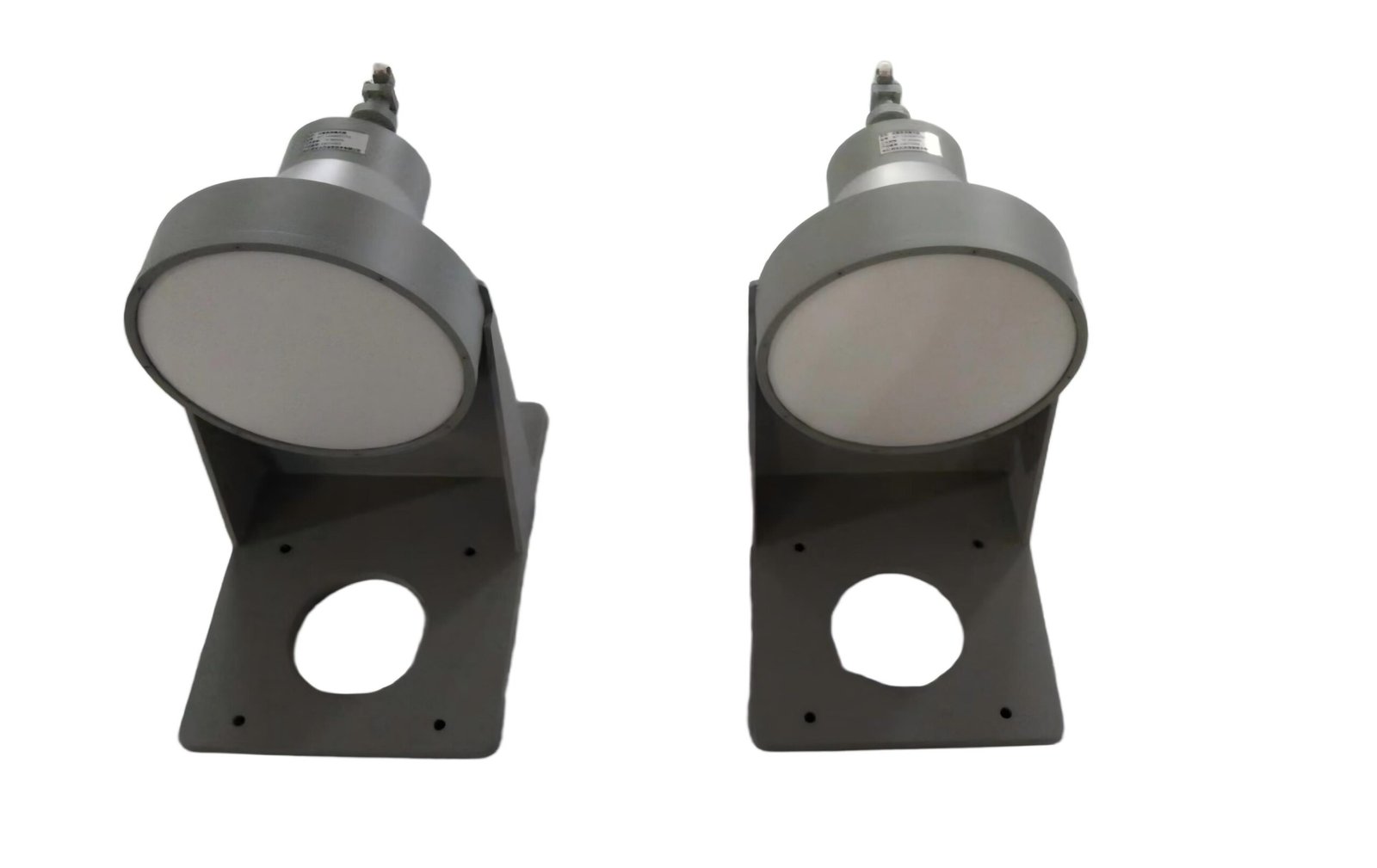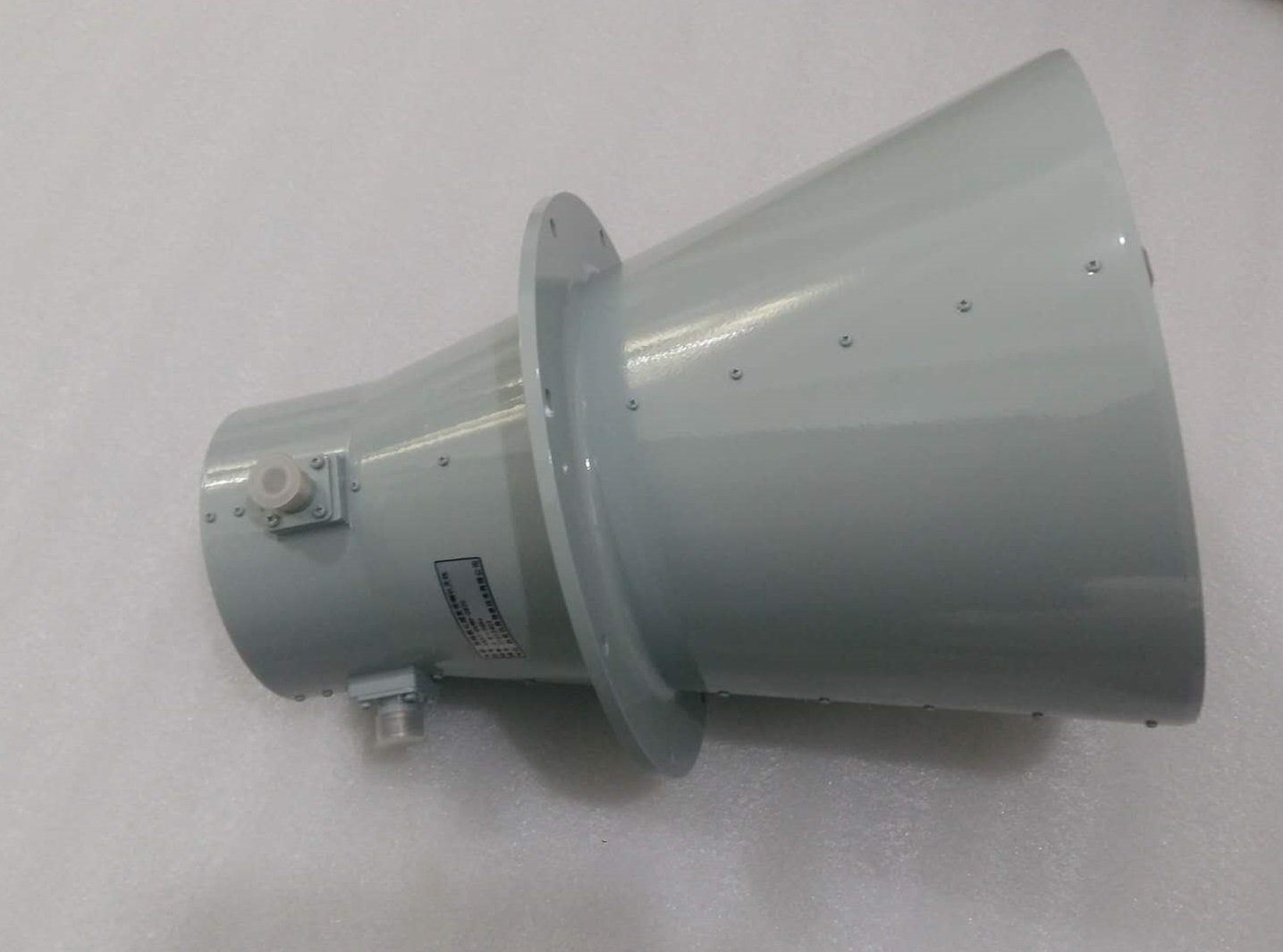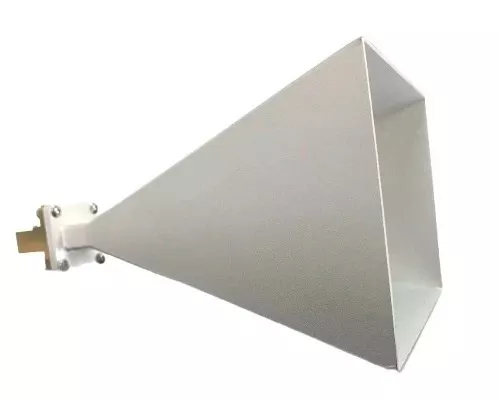

1. Harmonic Frequency-Multiplication Triplexer
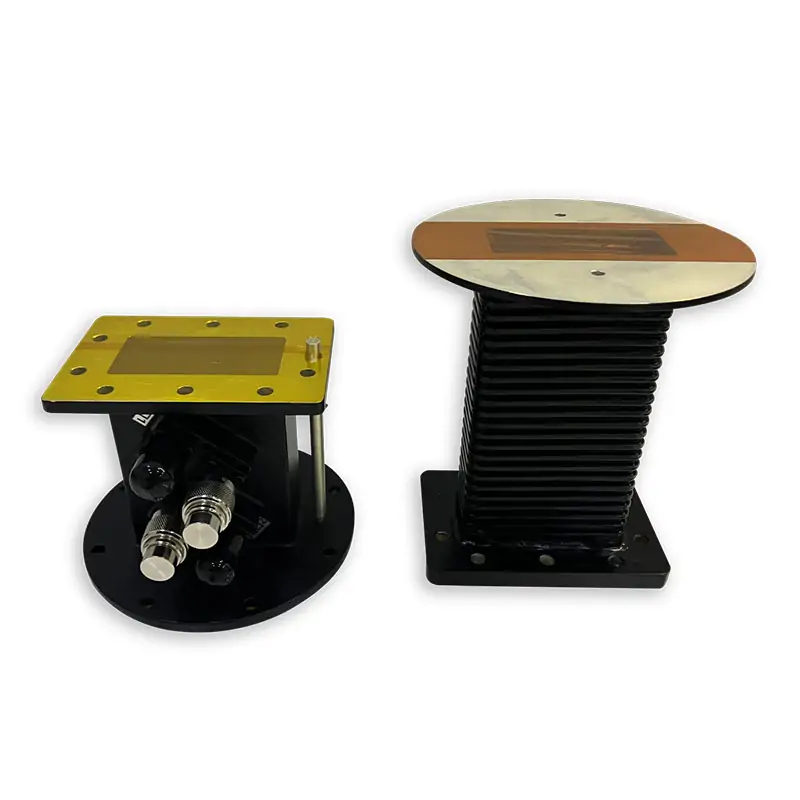
This harmonic frequency-multiplication triplexer is used in detection systems to monitor second- and third-harmonic interference. Because of its wide frequency span—particularly at high frequencies—the design and mechanical layout are usually far more challenging. By selectively combining electric coupling and magnetic coupling at the input and output, our design integrates the triplexer into a very compact volume. The four ports are distributed across the E-plane and H-plane faces of the housing, overcoming the problem of connectors being too close together to mate.
2. Non-Cross-Coupled Wideband Diplexer with Self-Generated Transmission Zeros
This non-cross-coupled wideband diplexer with self-generated transmission zeros eliminates the need for flying bars or flying wires, which improves stability. Each channel adopts a compact single-row layout, reducing both volume and weight by more than 30%.
3. Wideband Harmonic Frequency-Multiplication Triplexer
The wideband harmonic frequency-multiplication triplexer is integrated into a very compact volume through the selective use of electric coupling and magnetic coupling at the input and output. The four ports are arranged on the four symmetric faces of the housing, overcoming the difficulty of connectors being too close together to connect.
4. Compact Aviation Diplexer (Low-Pressure Operation)
In the low-pressure environment at altitude, the gas density is low. This reduces the probability of collisions between electrons and molecules as electrons travel toward the anode, giving electrons longer acceleration paths. The electric field imparts more kinetic energy to electrons in this low-pressure-loss regime, causing ionizing collisions and making the air easier to break down.
Specifications
Model Frequency Range (Passbands) Insertion Loss Out-of-Band Rejection In-Band Ripple Isolation VSWR Power Capacity Connector Type Operating Temp (°C) Storage Temp (°C) Size LWH (mm) Other / Notes
ULCC1030F F1: 9.95–10.05 GHz; F2: 29.85–30.15 GHz; F3: 19.9–20.1 GHz ≤ 1 dB — — ≥ 50 dB between every pair (F1–F2, F1–F3, F2–F3) ≤ 1.2 — 2.92-K detachable -25~+55 -40~+70 30.2*27.6*9 —
ULCC0506F F1: 610–660 MHz; F2: 500–550 MHz ≤ 0.7 dB (center band), both channels F1: ≥90 dBc @ 500–550 MHz; ≥85 dBc @ 1000–1700 MHz; F2: ≥85 dBc @ 610–660 MHz ≤ 0.15 dB (F0±25 MHz), both — ≤ 1.5 ≥ 40 W SMP -40~+60 -45~+65 129*92*53 Rel. humidity (95±3)% @ +30 °C; withstands vehicle/off-road transport vibration; black conformal coating (except mounting surface)
ULCC0312F LPF: 3.7–4.2 GHz; MPF: 7.4–8.4 GHz; HPF: 11.1–12.6 GHz ≤ 0.5 dB — — ≥ 50 dB between channels ≤ 1.5 — SMA detachable, 0.5 glass bead -40~+60 -45~+65 ≤45*34*15 Brass body, silver-plated finish
ULCC1417F F1: 1.429–1.518 GHz; F2: 1.605–1.71 GHz ≤ 1 dB (F1); ≤ 1.5 dB (F2) F1: ≥45 dBc @ DC–1.3 GHz; ≥65 dBc @ 1.605–7.4 GHz; F2: ≥60 dBc @ DC–1.518 GHz; ≥50 dBc @ 1.9 GHz; ≥60 dBc @ 2.2–6 GHz ≤ 0.5 dB (F1); ≤ 0.7 dB (F2) ≥ 60 dB (TX/RX) ≤ 1.6 ≥ 35 W 0.5 glass bead, SMA-K -40~+70 -55~+85 63*40*14.5 Operates at 18000 m low pressure; no failure at 110 °C; laser-welded, hermetic; leak rate <1.0×10⁻⁷ Pa·m³/s