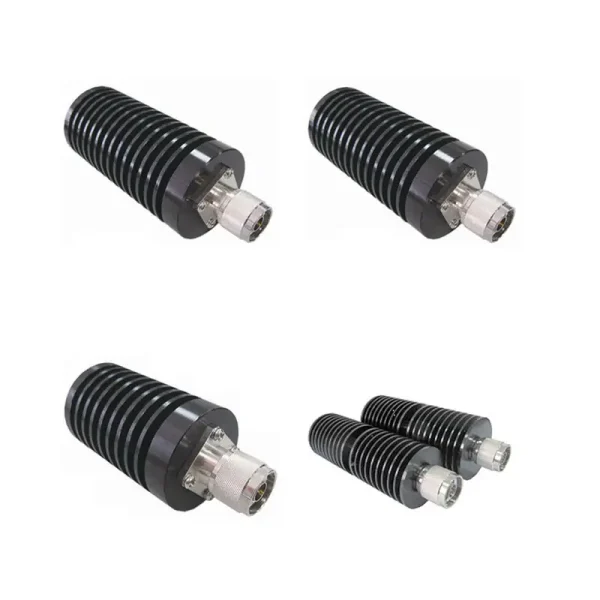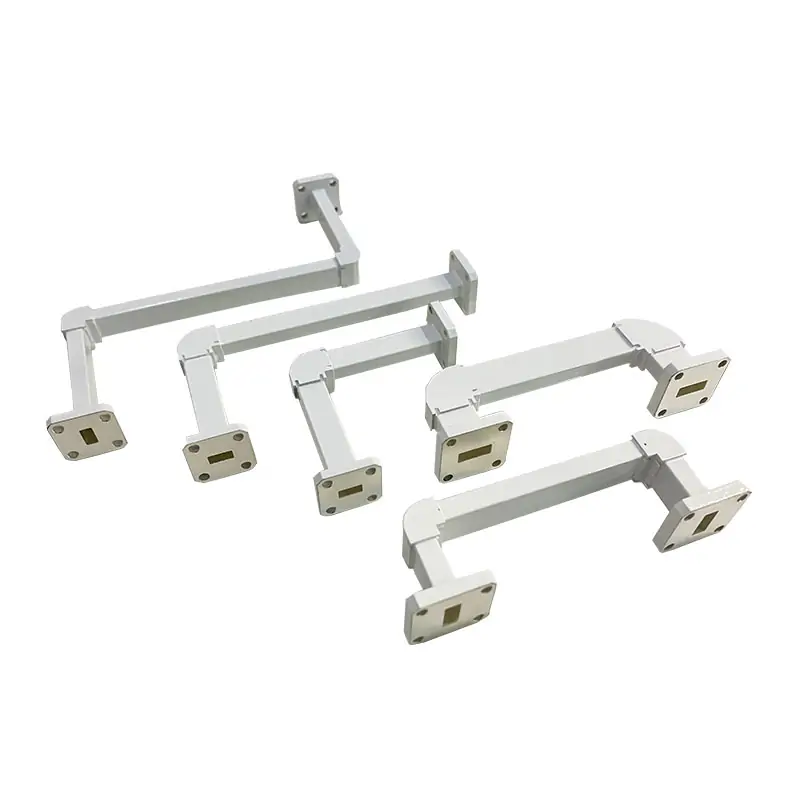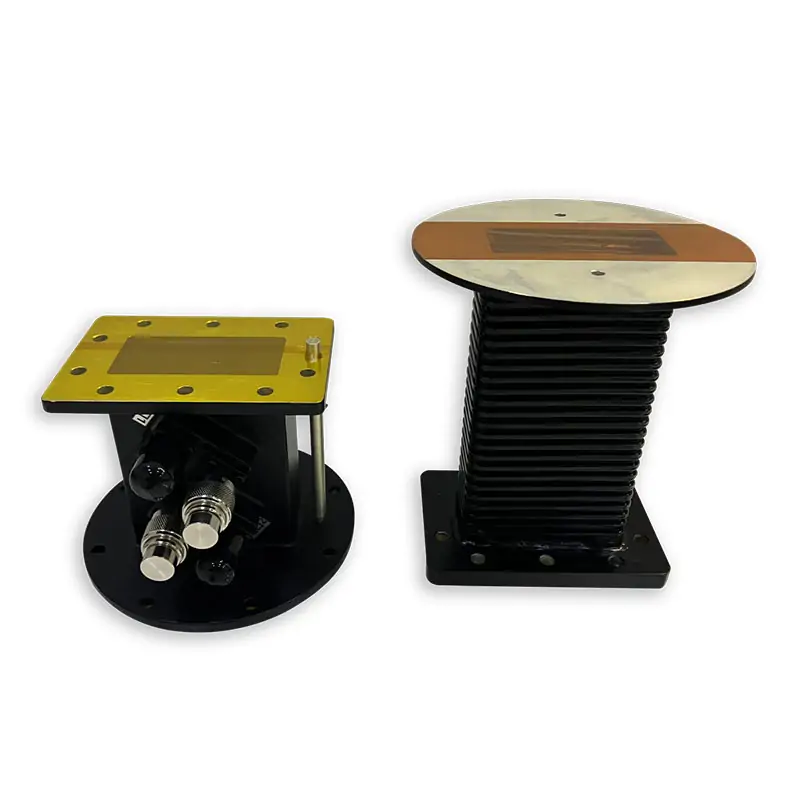
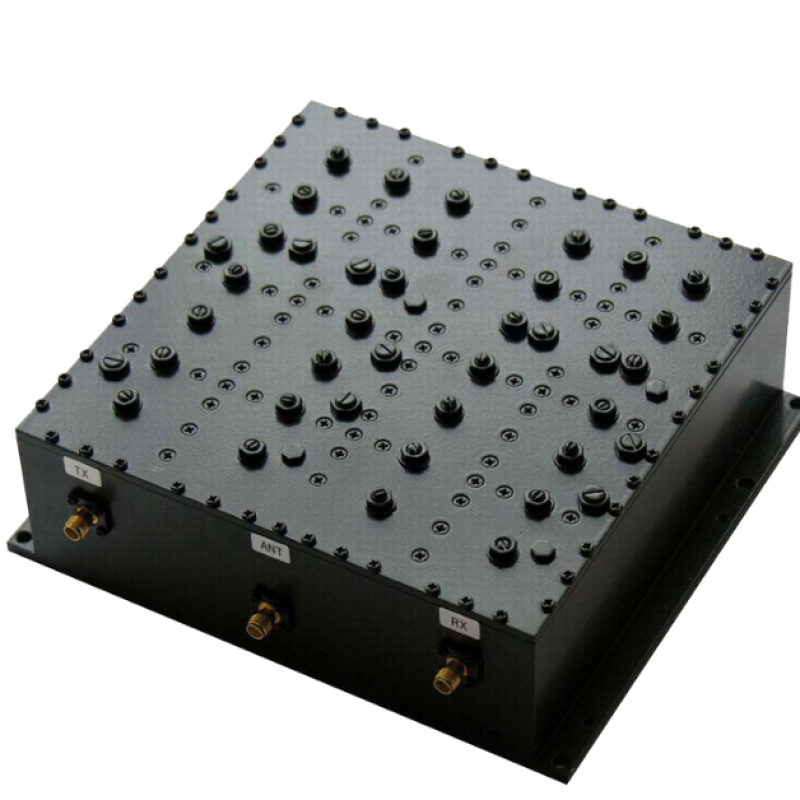
A cavity duplexer is a three-port passive RF component built from high-Q metal cavity resonators, allowing a transmitter and receiver to share a single antenna with very high isolation (≥70–90 dB), low insertion loss, and high power handling. It is a core element in base stations, repeaters, radar, and other high-power RF systems.
The cavity duplexer is a three-port passive RF device based on metal cavity resonant structures. Its core function is to allow transmit (Tx) and receive (Rx) signals to share a single antenna while achieving high isolation, low insertion loss, and high power handling. It is a key component in high-power RF systems such as base stations, repeaters, and radar.
I. Core Principle
Essentially, it consists of two high-Q cavity bandpass filters connected in parallel:
Tx Filter: Tuned to the transmit band, it efficiently routes the high-power transmit signal to the antenna while suppressing transmitter energy from leaking into the receiver.
Rx Filter: Tuned to the receive band, it efficiently routes the weak received signal to the receiver while isolating it from the transmitter’s high-power interference.
Common Antenna Port: The two filters are combined at this port, enabling a single antenna to transmit and receive simultaneously. Typical Tx-Rx isolation is ≥70–90 dB.
Resonance Mechanism: Metal cavities (rectangular or cylindrical) equipped with adjustable resonant posts form quarter-wavelength coaxial resonators. They use electromagnetic resonance for frequency selection, offering high Q (hundreds to thousands) and extremely low loss.
II. Typical Construction
Metal Housing: Made from aluminum or copper with silver-plated inner walls to reduce loss; excellent shielding and heat dissipation.
Resonator Assemblies: Tx cavity + Rx cavity, each containing multi-stage (3–6 stage) coaxial resonator posts with tuning screws on top for frequency calibration.
Coupling Structures: Inter-cavity coupling windows, probes, or coupling loops that control bandwidth and out-of-band rejection.
Three Ports: ANT (antenna), TX (transmit), RX (receive), typically using N-type, SMA, DIN, or other RF connectors.
Sealing & Cooling: Fully sealed against moisture and dust; black oxide coating enhances heat dissipation.
Specifications