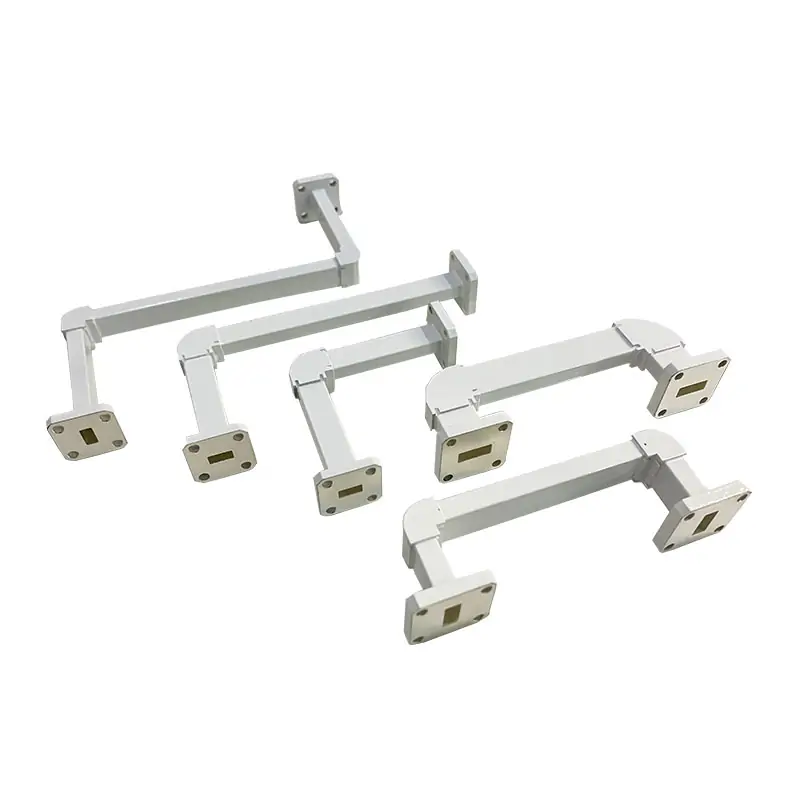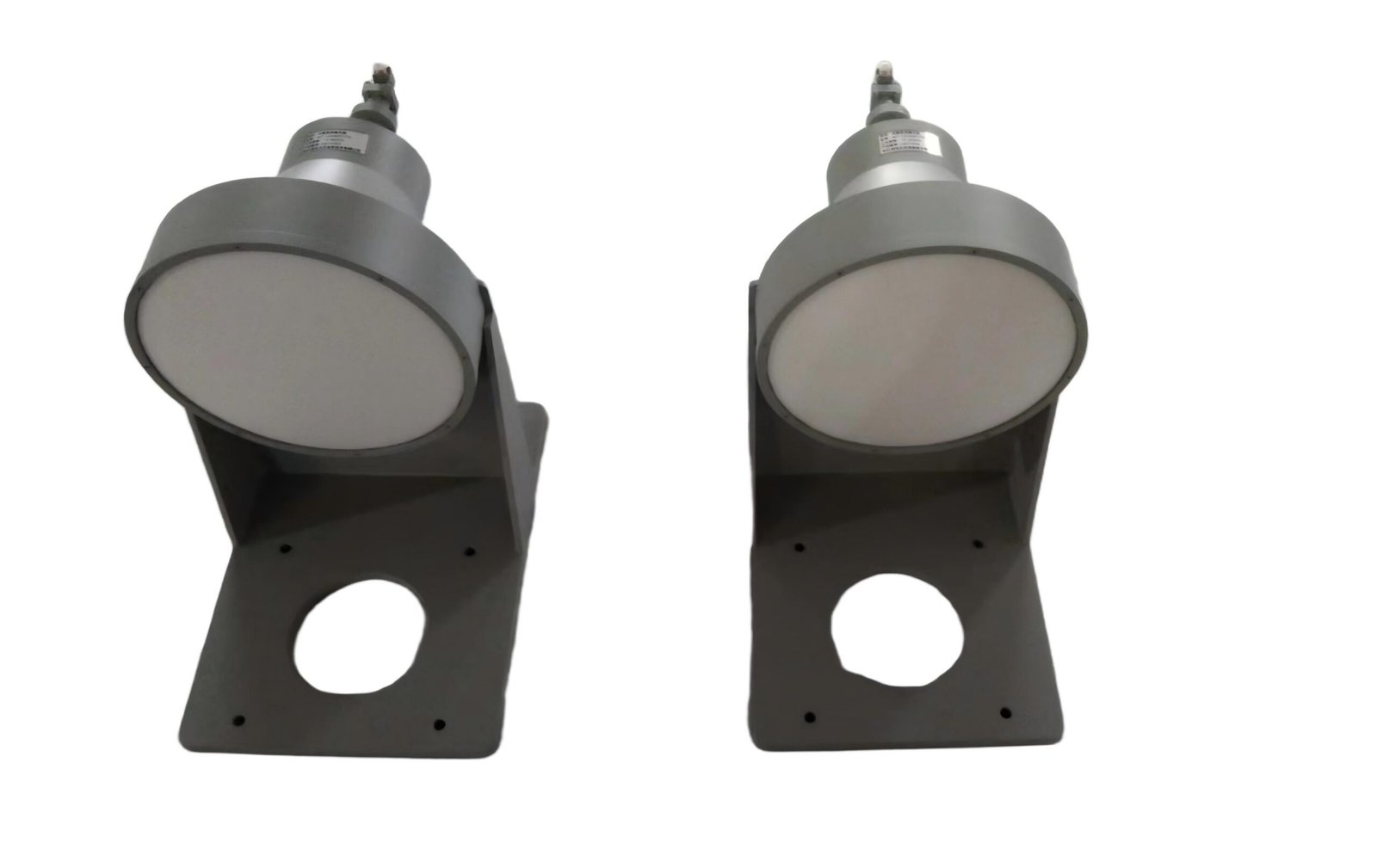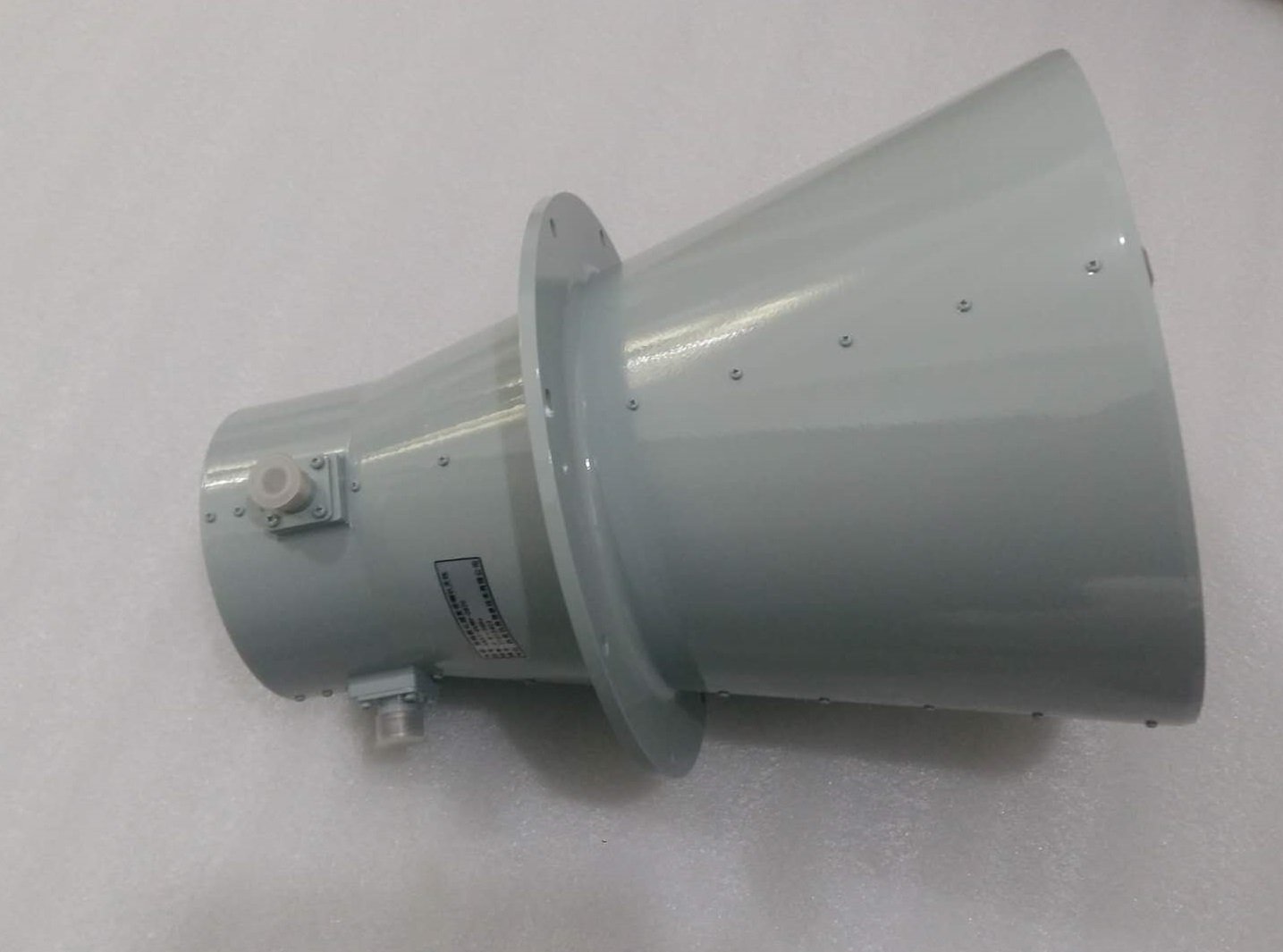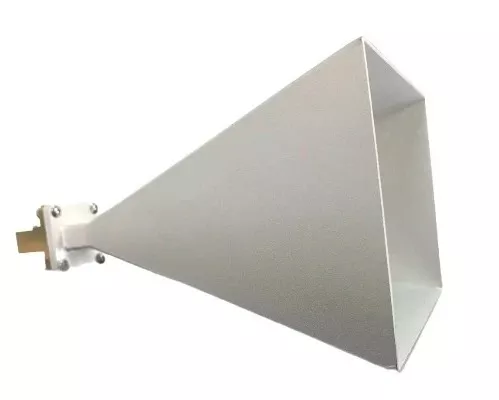
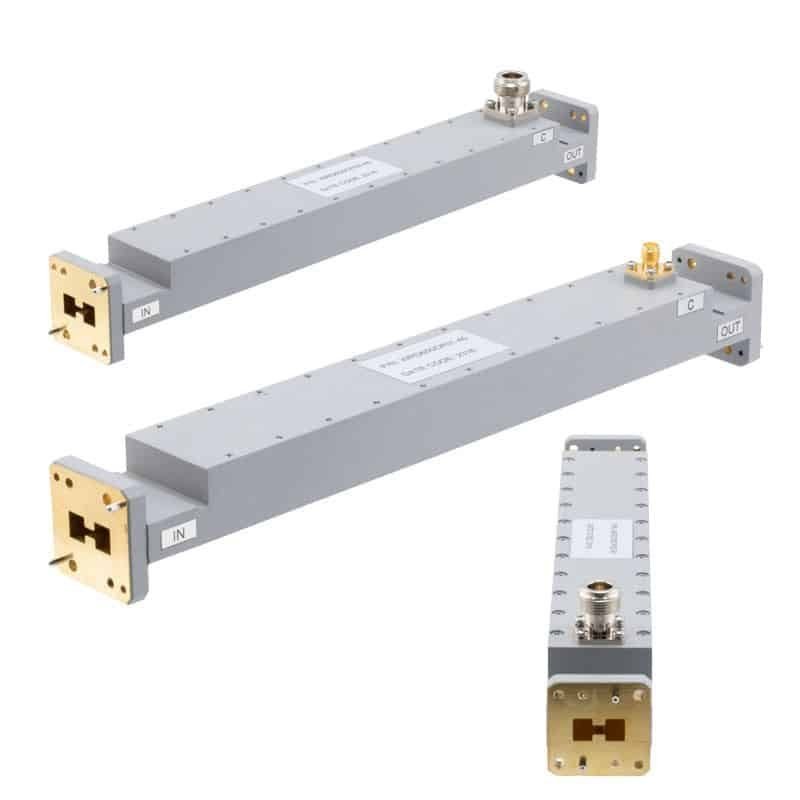
It consists of two matched rectangular waveguides arranged at 90° orthogonal layout. The main waveguide undertakes primary energy transmission, while the auxiliary waveguide is used for coupled energy extraction. The common broad wall of the two waveguides serves as the coupling area and the key medium for energy transmission.
Standard Four-Port Type
1 input port, 2 through port, 3 coupled port and 4 isolated port, equipped with standard waveguide flanges for high universality. An external termination load is required for the isolated port. It is the most basic port configuration and compatible with most microwave system integration requirements.
Terminated Load Type
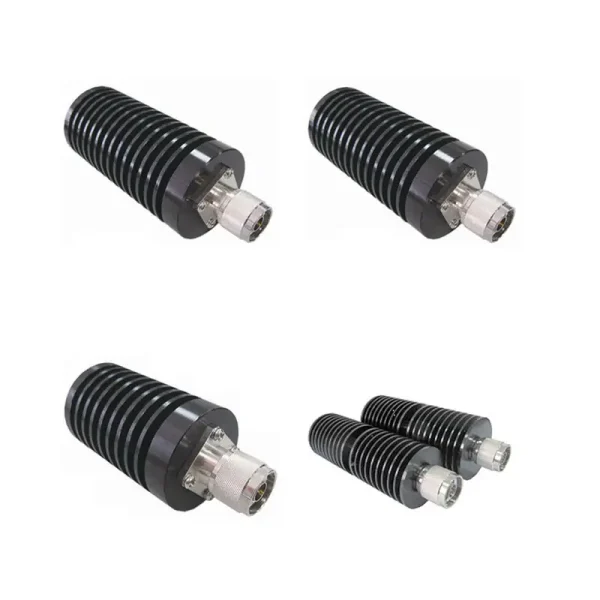
The isolated port (Port 4) is integrated with a matched waveguide load, forming a three-port device (input / through / coupled). No external load is needed. With compact size and anti-reflection performance, it is suitable for embedded installation and space-limited systems, simplifying layout and improving installation efficiency.
Coaxial Output Type
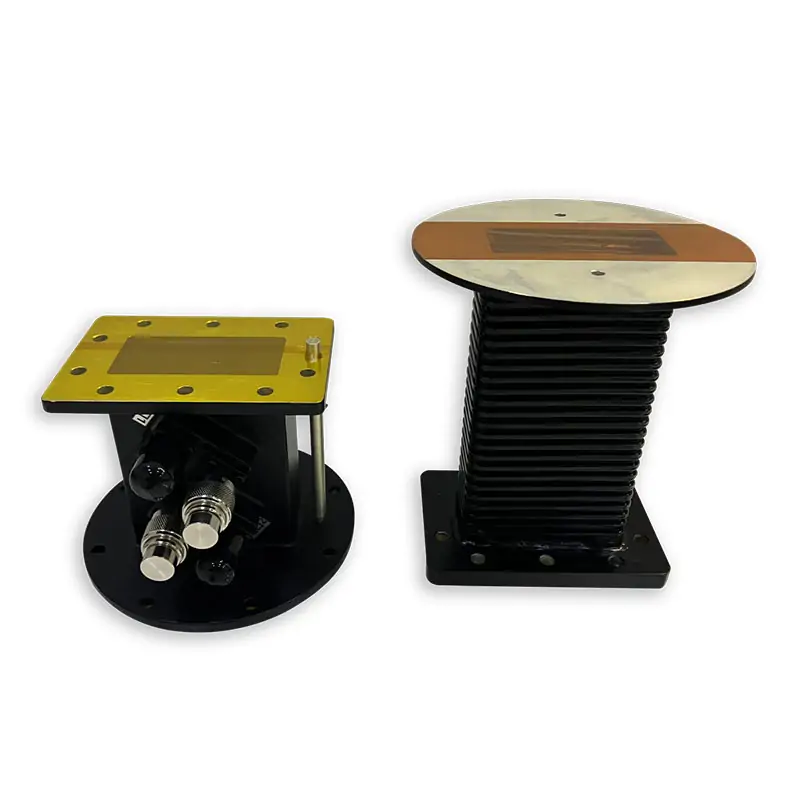
The coupled port (Port 3) is built-in with a waveguide-to-coaxial transition (SMA / N type) for direct RF signal output and seamless connection with coaxial systems. Commonly used in test instruments, it solves docking problems between waveguide and coaxial systems to meet flexible test and measurement demands.